BSWAPS
How Battery Swap Stations Support the Power Grid
Off-Peak Charging
Solar Energy
Grid Support
Charging When Demand Is Lower
EV battery swap stations can do more than exchange depleted batteries for charged ones. By charging stored batteries during periods of lower electricity demand, stations can shift energy use away from busy hours. Where time-of-use pricing applies, this may also reduce electricity costs.
Returning Energy to the Grid
Stations equipped with approved bidirectional equipment can return stored electricity to the grid. Other stations can help simply by reducing or pausing charging when demand is high. These are different ways to support grid stability, and capabilities vary by location and equipment.
Solar Power and Energy Storage
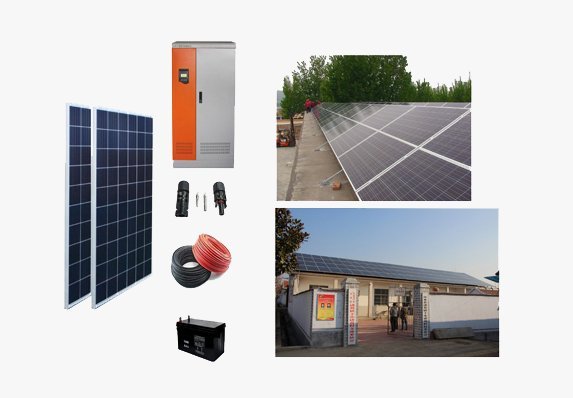
Solar panels can supply electricity to suitably equipped swap stations, helping charge batteries and reduce reliance on grid electricity. Stored energy may also support backup power, but supplying electricity during an outage requires equipment specifically designed for safe operation when disconnected from the grid.
NIO’s Role in Grid Support
NIO has reported participation in demand-response and virtual power plant programs, which coordinate charging facilities and other energy resources to help balance electricity supply and demand. The company has also announced bidirectional battery swap technology intended to feed electricity back into the grid.
These services could provide additional revenue for station operators while supporting the electricity network. However, potential earnings—and the number of homes a station could supply—depend on battery capacity, available power, operating requirements, local rules, and the length of time electricity is needed.